Bird Droppings, Tree Sap and Insects: The 24-Hour Rule for Car Paint in Summer

Most drivers assume that paint damage develops slowly. That's true in winter. In summer, the opposite is the case.
Bird droppings, tree sap and insect residues can permanently damage car paint within just a few hours.
The reason: heat plus chemically active substances.
Especially in Zurich, we see the same picture every year during mobile car detailing:
- burnt-in spots on the hood
- matte areas after driving through insects
- sticky sap stains that won't come off
In many cases, the problem isn't the contamination itself – it's reacting too late.
Why summer contamination attacks car paint more aggressively
In winter, dirt consists mainly of salt, mud and road grime. These act mechanically and relatively slowly.
In summer, you're dealing with chemically active substances:
- Bird droppings (acidic)
- Tree sap and honeydew (reactive, sticky)
- Insect residue (protein + acids)
These substances keep working as soon as they land on the paint.
Heat as accelerator: 60–80°C on the car paint
One crucial point is often underestimated:
A dark car in the sun reaches 60 to 80°C paint temperature in Zurich during summer.
This leads to three effects:
- Chemical reactions run significantly faster
- Liquids evaporate – residues become more concentrated
- Clear coat becomes slightly softer – substances penetrate deeper
That's why the same contamination can be harmless in spring – and cause damage in summer.
Bird droppings on car paint: damage develops in hours
Bird droppings are one of the most aggressive everyday contaminants on car paint.
It contains:
- Uric acid (pH 3–4)
- Enzymes
- mineral particles
What actually happens:
- After 1 hour: attack on the protective layer
- After 2–4 hours: first visible etching marks
- After 24 hours: lasting damage in the clear coat
Result: the spot can no longer be easily removed – polishing becomes necessary.
Removing tree sap: why it gets harder over time
Tree sap isn't ordinary dirt. It polymerises on the paint.
That means:
- Fresh: easy to remove
- After days: bonds with the paint
- After weeks: often only removable through polishing
Honeydew additionally attracts:
- Dust
- Soot
- Dirt
A small dot quickly turns into a firm, dark spot.
Insect residue on car paint: an underestimated threat
After a highway drive (e.g. A1 or A3), insect residues remain.
These consist of:
- Proteins
- Acids (partly formic acid)
- Bodily fluids
With heat:
- Protein decomposes
- Residues dry out
- Acids attack the paint
Within just a few hours, matte spots can develop.
The 24-hour rule for car paint
The faster you react, the less damage.
Within the first hour (optimal)
- Soak with water
- Don't rub
- Gently remove with a microfiber cloth
Within 24 hours (still removable)
- Use an insect remover or sap solvent
- Let it work
- Remove without pressure
After 24 hours (critical)
- Residues often burnt in
- Normal cleaning is no longer enough
- Paint polishing or professional detailing required
Mistakes we see every day in Zurich
During mobile car detailing, we keep seeing the same problems:
- Dry rubbing: micro-scratches
- Sponges instead of microfiber cloths
- Glass cleaner (too alkaline)
- Cleaning in direct sunlight
- Too much pressure
Result: more harm than good.
When is cleaning enough – when do you need professional help?
Cleaning is enough when:
- The contamination is fresh
- The surface stays smooth
- No shadows or matte spots are visible
Professional detailing is needed when:
- Stains remain visible
- The paint feels rough
- Matte or burnt-in spots are present
In these cases, paint polishing with clear coat correction is usually required.
What happens if you react too late?
If bird droppings, sap or insects stay too long:
- The clear coat is attacked
- Stains burn in
- Polishing becomes necessary
- In the worst case, damage remains visible
Quick cleaning takes minutes.
Paint correction takes significantly more effort.
Conclusion: in summer, reaction time is everything
Summer contamination isn't a cosmetic issue – it's a chemical process.
- Heat accelerates everything
- Damage develops in hours
- 24 hours is often the limit
Whoever reacts quickly protects their paint.
Whoever waits risks permanent damage.
Bird droppings, sap or insects won't come off?
Formel7 – mobile car detailing in Zurich
- We come to you (at home or at work)
- Professional paint decontamination and polishing
- Quick assessment of your case
Related articles
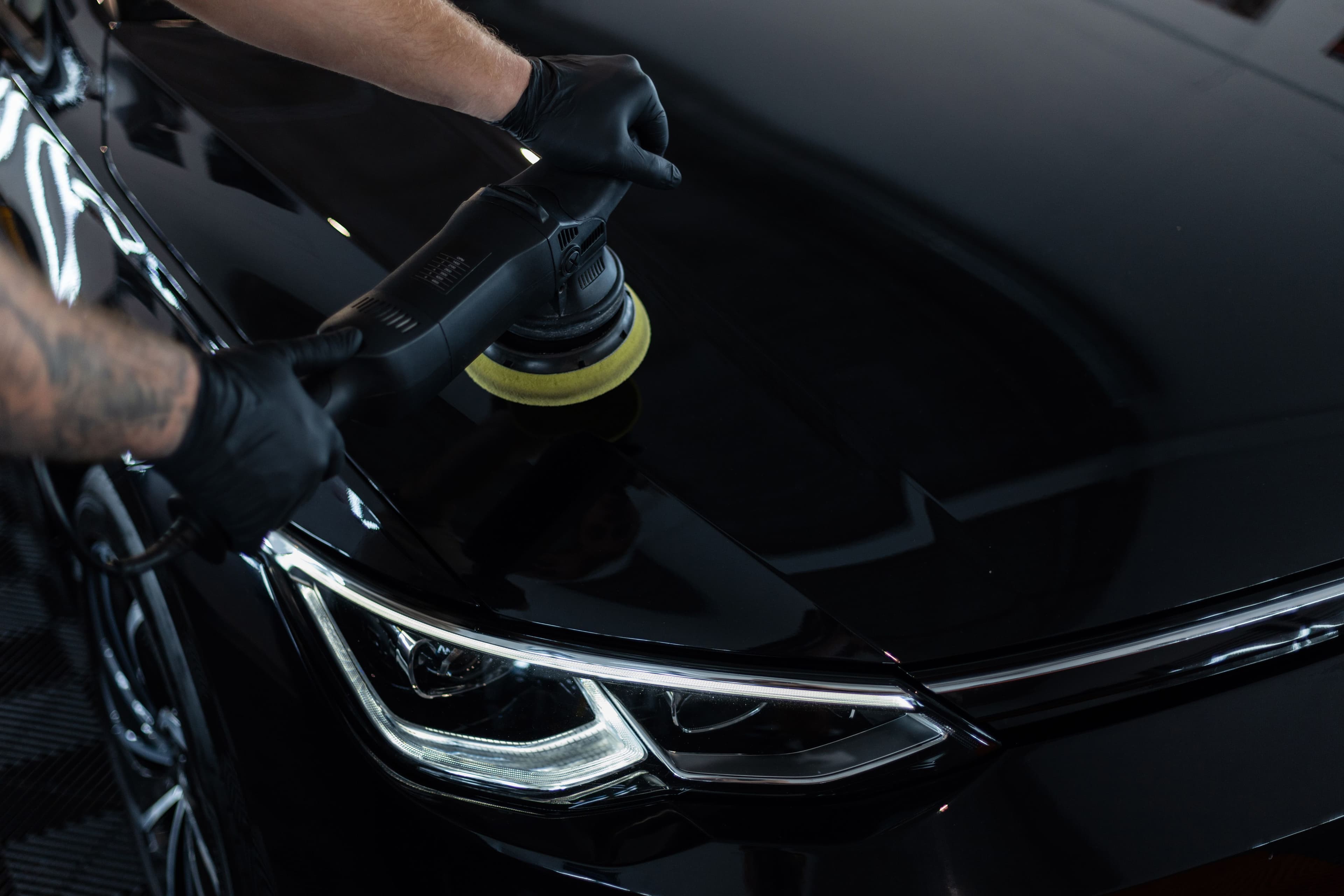
Car polishing in Zürich & Aargau: how the Optimum method makes dust-free paint correction possible
Professional car polishing in Zürich without dust or water connection. Formel7 uses the Optimum system – Hyper Polish, ONR and Car Wax New Ceramic with patented UV protection.
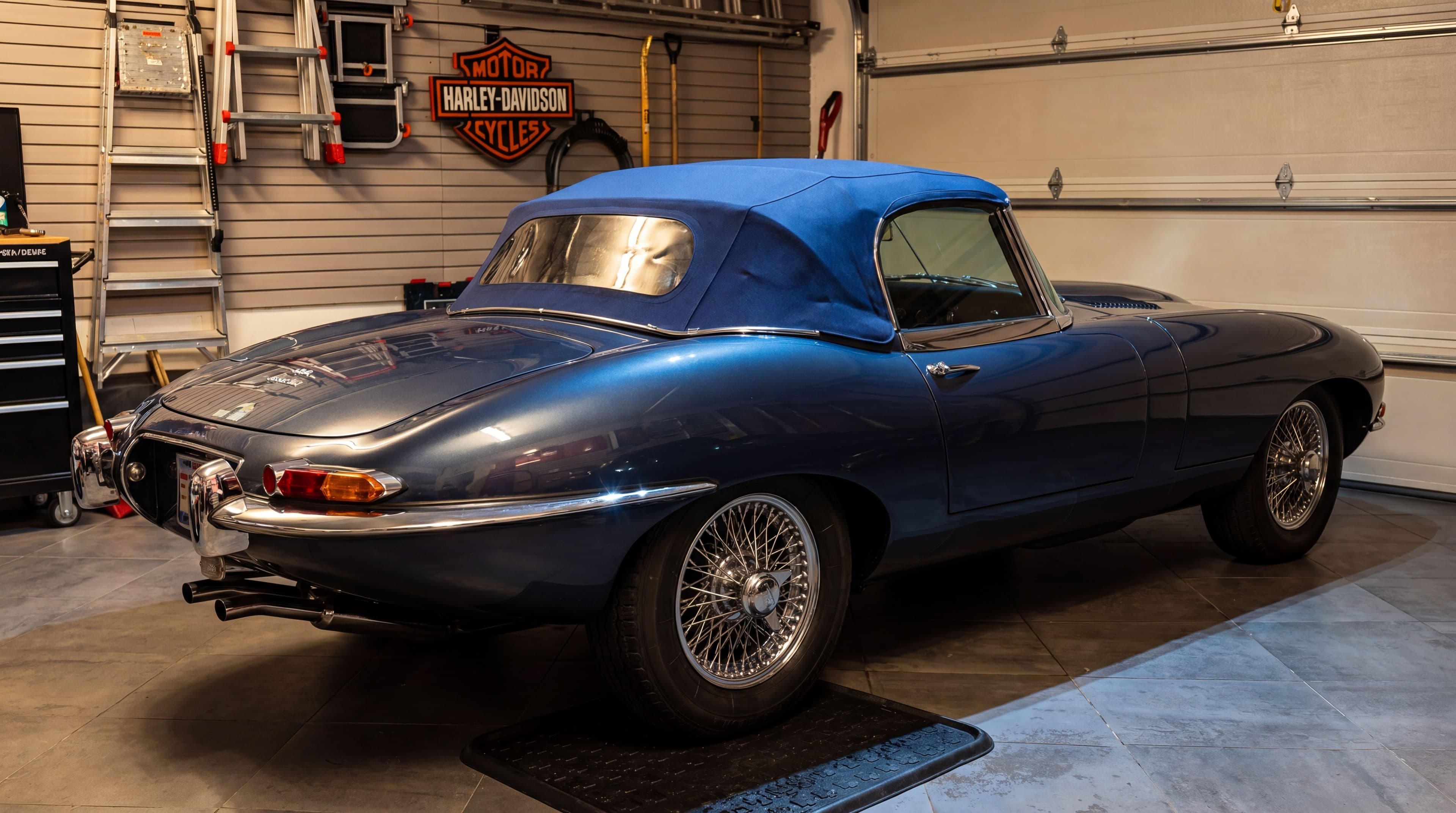
Convertible Roof Care in Zürich: What Your Fabric Top Really Needs
Fabric convertible tops need more than a quick rinse. Learn what damages your roof, how professionals clean and protect it — mobile service in Zürich by Formel7.
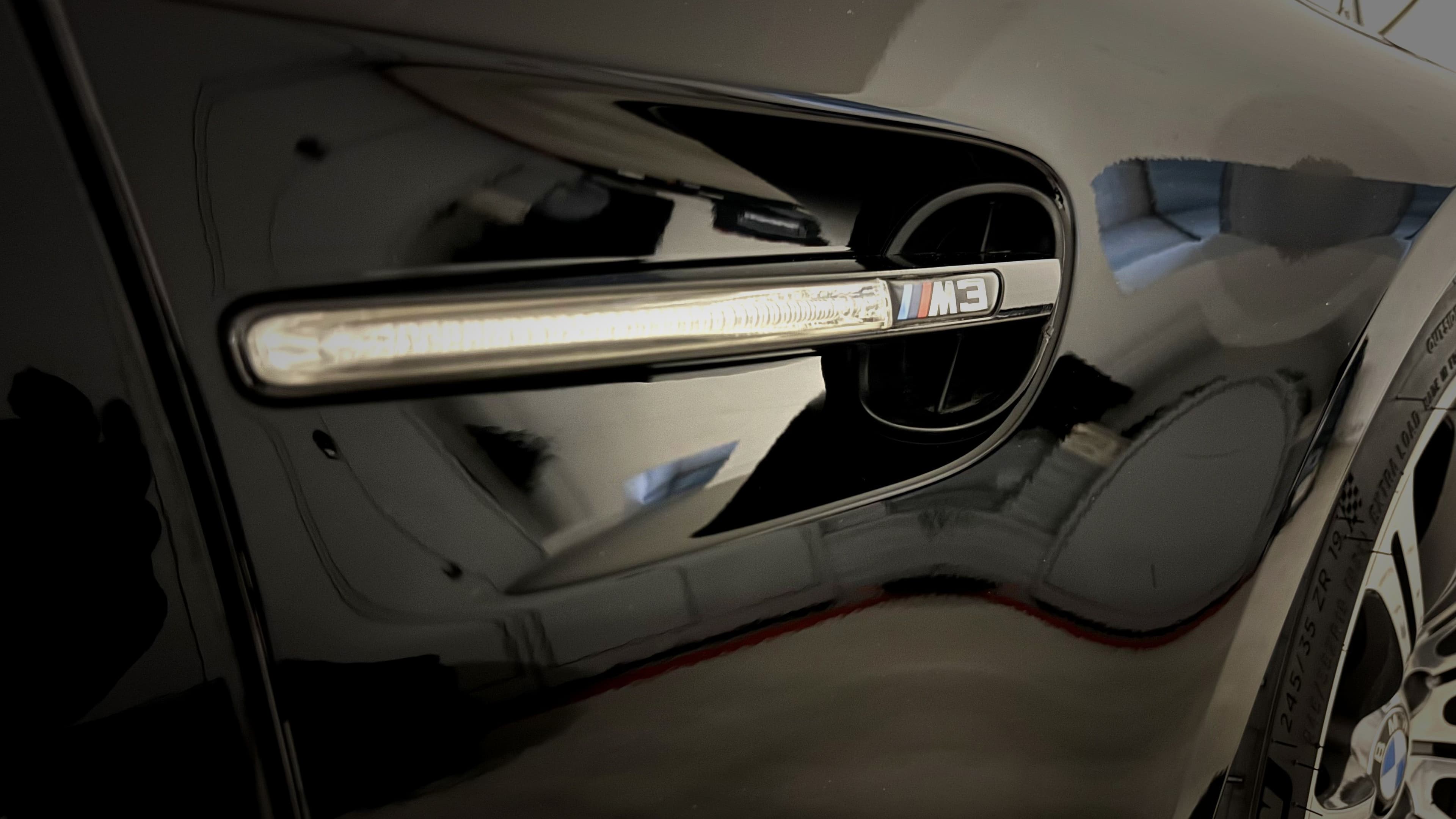
Unprotected Paint: Why Your Car Needs Protection — and the 5 Methods That Work
Unprotected car paint fades, scratches and corrodes fast. Learn the 5 best protection methods — from quick detailers to PPF — and keep your car looking new.