Classic Car Detailing: Safe Care & Value Preservation

Oldtimer Proper Care: Safely Protect Paint, Chrome, Soft Top, and Interior
A classic car isn’t an ordinary vehicle. Paint is often thinner or built differently, chrome parts can be more delicate, and many interior materials react sensitively to aggressive cleaners or too much moisture. A normal car wash may deliver short-term cleanliness, but rarely the kind of protection that matters for long-term value—especially for vehicles meant to be preserved for years.
At Formel7, our approach to classic car detailing is built around one principle: control and preservation. The goal is not “as new as possible,” but “as original as possible”—with a refined, high-quality finish.
1. Why Classic Cars Are More Sensitive Than Modern Vehicles
Classic cars are more vulnerable because many components age differently than on newer vehicles:
Paint: Often thinner, sometimes without a modern clear coat, and frequently carrying decades of patina. Incorrect washing can quickly create micro-scratches or dull patches.
Chrome & metals: May show pores, fine scratches, or early oxidation. Too much pressure or the wrong products can leave visible marks.
Interior: Aged leather, plastics, fabrics, and adhesive bonds can be sensitive to strong chemicals or excess moisture.
Seals & rubber: Become brittle and are often difficult to replace—caring for them is not “cosmetic,” it’s functional.
That’s why the rule with classics is simple: precision beats force.
2. Detailing for Value Preservation: The 3 Pillars of Safe Classic Care
Professional classic car detailing focuses on three areas that stabilize condition over the long term: paint, details (chrome/metal/trim), and soft-top & materials. The key is always a controlled process: assess first, test, then work gently—rather than pushing aggressively.
A. Paint Care Without Risk: Gentle Washing & Protection
Most damage doesn’t happen during polishing—it happens during washing. Dirt particles dragged across the surface quickly cause micro-scratches, especially on sensitive finishes.
Safe paint care means:
- Pre-cleaning, so dirt is loosened before you touch the paint
- Soft tools and clean water to minimize friction
- Controlled drying, without “working in” remaining particles
- Building protection, so dirt sticks less and maintenance becomes easier
- The result is a deeper, calmer-looking finish—without unnecessary material removal.
B. Shine Without Scratches: Chrome, Metal, and Trim
Chrome and trim define the character of many classic cars—and they’re also among the most delicate elements. That’s why the work is controlled: gentle cleaning first, targeted refinement next, then surface protection.
What matters most:
- Working in small sections instead of “everything at once”
- Minimal pressure
- Clean, soft towels
- A finish that reduces fingerprints and slows renewed oxidation
- The rule is simple: several light passes beat one aggressive attempt.
C. Convertibles & Fabrics: Soft-Top Care With Full Control
A convertible top is one of the most sensitive areas on a classic car. The most common mistake is too much pressure or uncontrolled moisture—especially around seams and edges. Safe soft-top care means cleaning in a material-friendly way, controlling moisture, and allowing the top to dry completely. A suitable protective layer afterwards helps water and dirt penetrate less deeply—so the roof stays cleaner longer and ages much more slowly.
3. More Than Just Looks: Interior Detailing in a Classic Car
The interior often determines whether a classic feels “well cared for” or only superficially clean. At the same time, many materials are sensitive: too much moisture, harsh cleaners, or the wrong care products can permanently change surfaces. That’s why interior detailing is about precision, not aggressiveness.
A. Deep Cleaning With a Gentle Touch
Interior work is not about soaking everything—it’s about removing dirt selectively. The process starts with dry cleaning (vacuuming, lifting dust and particles), followed by mild cleaning with controlled moisture. Full drying is essential before applying any care or protection. Done properly, the cabin feels noticeably fresher—without creating moisture-related issues.
B. Care for Leather, Plastics, Seals, and Rubber
Leather can dry out and crack over time, plastics lose color, and seals become brittle. Proper care creates clean, natural-looking surfaces without greasy shine, restores a supple feel, and reduces ongoing aging. Seals and rubber are often underestimated—yet they influence comfort, sealing performance, and long-term value preservation.
Conclusion: Preserve the Original—While Keeping It Perfectly Cared For
Classic car detailing isn’t a show—it’s preservation. Working gently, with control and material awareness protects not only appearance, but also the historical and financial value of the vehicle. A high-quality detail brings your classic to a condition that feels right: clean, refined, original—without looking “over-restored."
Formel7 offers classic car detailing mobile in Zurich, Aargau and the surrounding area – directly at your garage, no transport, no risk.
Ready to Care for Your Classic?
Contact Formel7. We’ll be happy to advise you and create an individual recommendation for your vehicle.
Related articles
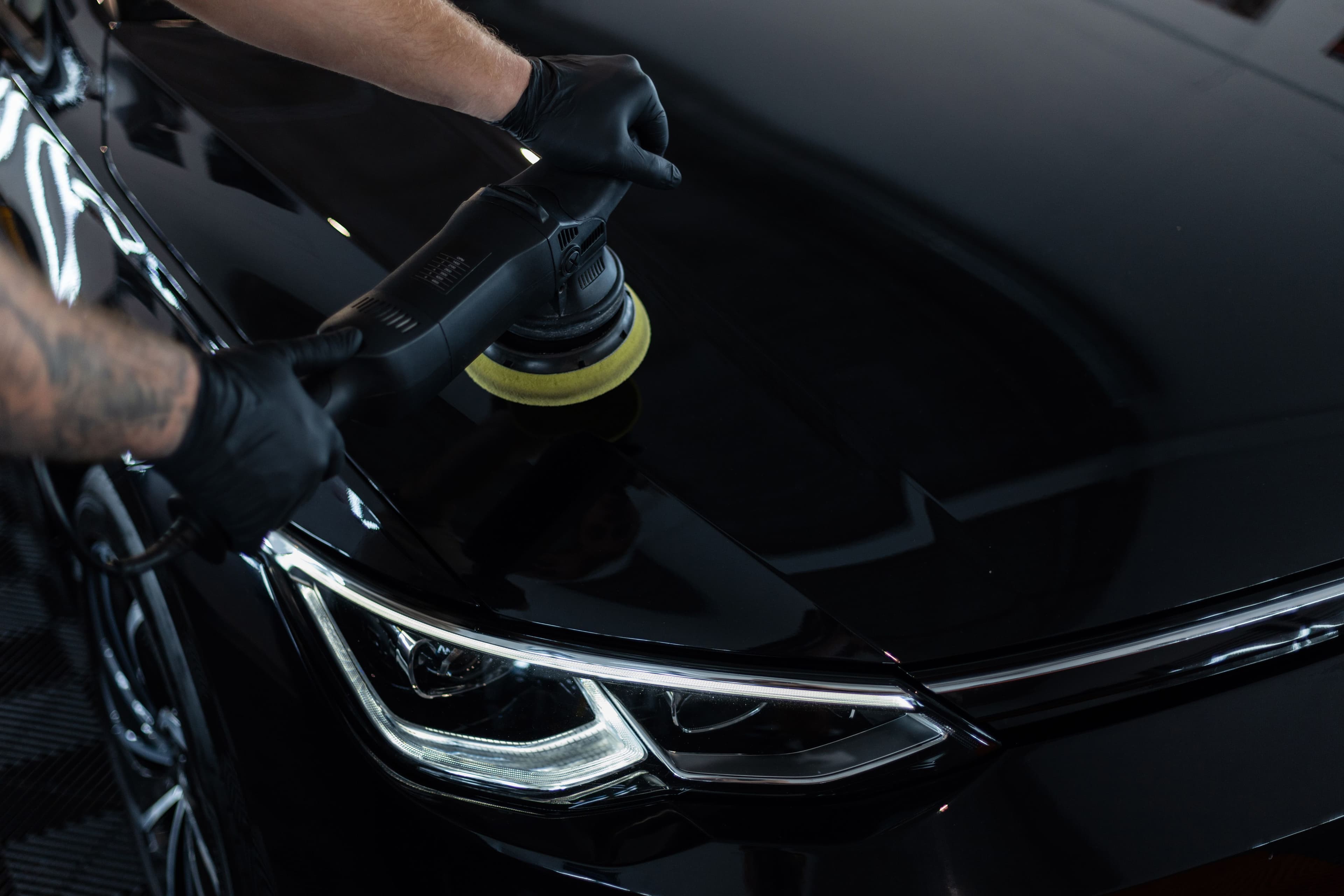
Car polishing in Zürich & Aargau: how the Optimum method makes dust-free paint correction possible
Professional car polishing in Zürich without dust or water connection. Formel7 uses the Optimum system – Hyper Polish, ONR and Car Wax New Ceramic with patented UV protection.
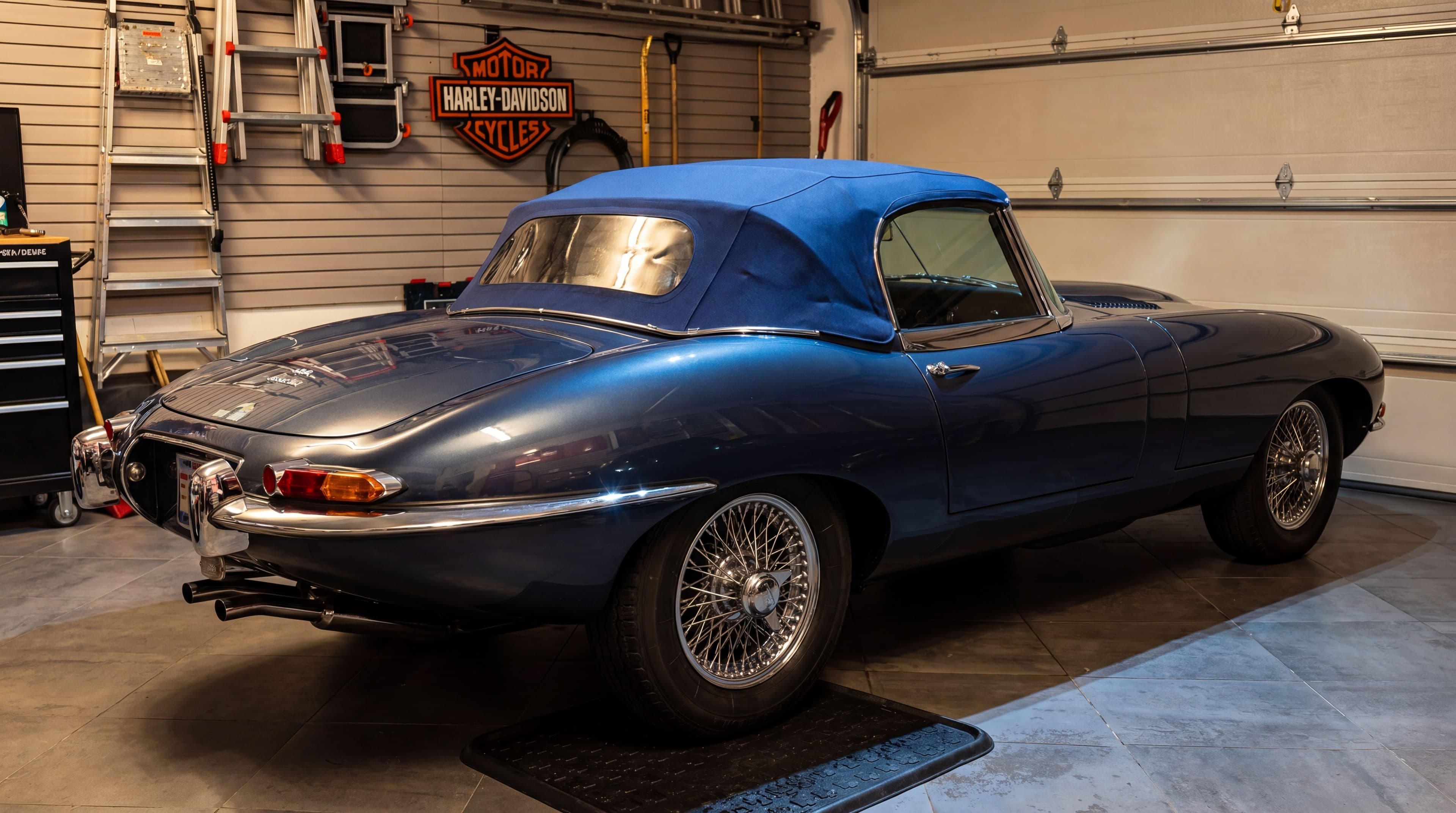
Convertible Roof Care in Zürich: What Your Fabric Top Really Needs
Fabric convertible tops need more than a quick rinse. Learn what damages your roof, how professionals clean and protect it — mobile service in Zürich by Formel7.
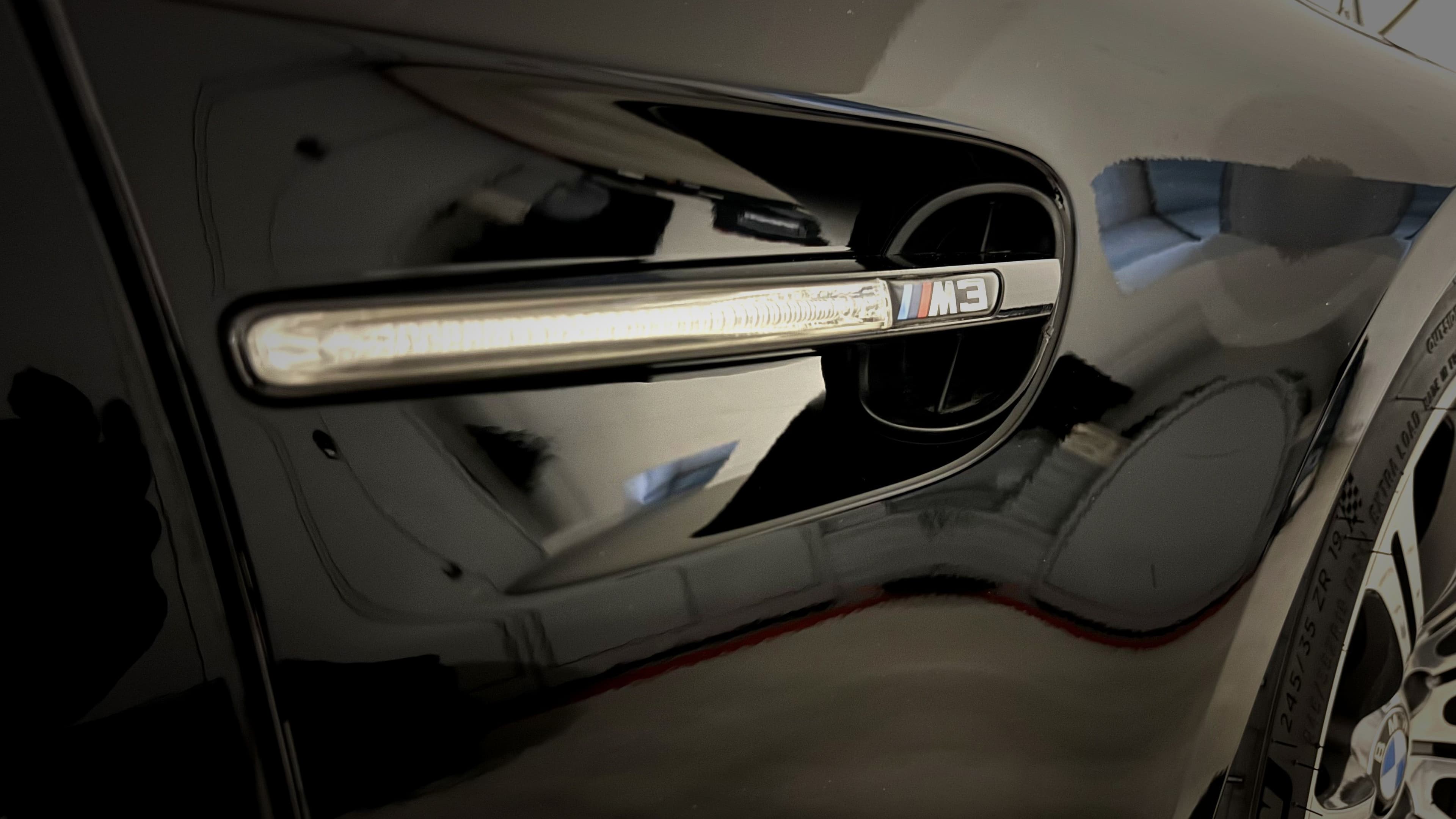
Unprotected Paint: Why Your Car Needs Protection — and the 5 Methods That Work
Unprotected car paint fades, scratches and corrodes fast. Learn the 5 best protection methods — from quick detailers to PPF — and keep your car looking new.