How to clean car leather properly in Zürich: why the wrong product does more damage than dirt
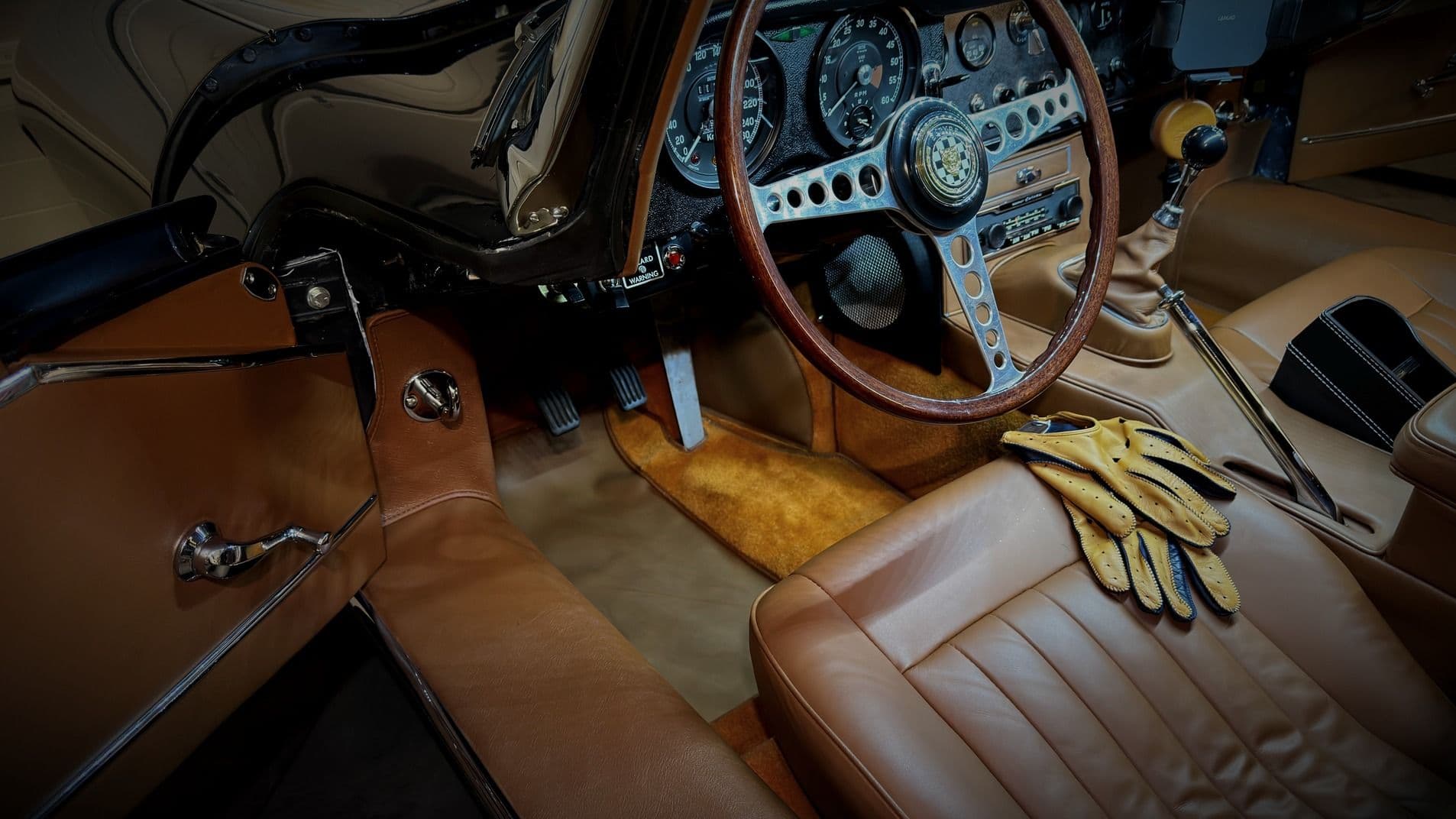
Most people reach for whatever's nearby when cleaning their car's leather – a multi-surface spray, wet wipes, glass cleaner, or just a damp cloth. It looks clean in the moment. What's actually happening to the leather surface only shows up months later: cracks, discolouration, dry and brittle material. This article explains why leather needs its own chemistry – and what professional care does differently.
What car leather actually is
The leather in modern cars isn't what most people imagine. It's not raw, untreated hide – it's a natural material with an industrially applied protective layer of pigment and clear coat on top. Think of it like the paint on your car: underneath is the real material, on top is a thin, sensitive protective finish.
It's this protective layer that gets damaged by wrong products – not immediately visible, but over time irreversibly.
Types of leather – and why it matters
Not all leather surfaces in a car are the same. Depending on the vehicle and trim level, different materials are used – with different care requirements.
- Pigmented leather (VW, BMW, Mercedes, Toyota…) – the most common car leather. Durable top coat with clear finish. More forgiving – but harsh cleaners still break down the protective layer over time.
- Nappa leather (BMW, Audi, Mercedes – upgrade trim) – softer and finer than standard. Thinner protective layer, so more sensitive. Wrong products leave visible damage here much faster.
- Semi-aniline leather (Volvo, Jaguar, upper mid-range) – lightly pigmented, partially open pores. Feels more natural – but considerably more sensitive to liquids.
- Aniline leather (Bentley, Rolls-Royce, luxury class) – no surface coating, fully open pores. The most premium and most delicate car leather. Requires specialist products only.
- Perforated leather (sport trims, ventilated seats) – small holes for ventilation or aesthetics. Cleaners seep into the perforations – too much liquid damages the material underneath.
- Alcantara / microfibre (sports cars, steering wheels, headliners) – not leather, a synthetic microfibre material. Needs completely different products. Leather cleaners can permanently damage it.
How do I know which leather I have? The safest answer: check the vehicle manual or ask your dealer. A general rule: the softer and more natural the leather feels, the more sensitive it is – and the more important correct care becomes.
Why everyday cleaners damage leather
Leather naturally has a slightly acidic surface. That's not a coincidence – it's what keeps the material supple, flexible and resilient. Most household cleaners, multi-surface sprays and even many car sprays from the supermarket are alkaline – the exact opposite.
What happens when you use alkaline products on leather? The protective layer breaks down gradually. The leather loses moisture and elasticity. You don't see it straight away – but the material ages significantly faster as a result.
To put it simply: the further a product is from leather's natural chemistry, the more damage it causes. Wet wipes – even "fragrance-free" or "gentle" ones – are formulated for baby skin, not coated car leather. They leave residues that make the surface dull and brittle over time. The same applies to glass cleaner, kitchen spray, or anything not specifically designed for automotive leather.
For reference – how far each product sits from leather's natural pH:
- Leather (natural): pH 4.5
- Dedicated leather cleaner: pH 5.5 – close to leather's natural value, safe
- Wet wipes / "gentle" sprays: pH 7–9 – already problematic depending on the product
- Household cleaner / multi-surface spray: pH 10–11 – damages the protective layer
- Glass cleaner / degreaser: pH 12–13 – permanently destroys the surface
What leather actually needs: three steps, three products
Professional leather care always involves three separate steps. Each product has its own job – none can replace the others. Products that promise everything in one step – clean, condition and protect all at once – are always a compromise. In practice, none of those three jobs gets done properly.
1. Leather cleaner
Formulated specifically for leather. It lifts dirt, grease and sweat without attacking the protective layer. The chemistry is matched to leather's natural surface – gentle enough not to strip the coating, effective enough to clean deep.
2. Conditioner
Delivers moisture to the material. Keeps the surface soft and prevents it from drying out. Modern car leather is coated, so use a water-based conditioner – heavy oils or waxes sit on top of the coating and attract new dirt instead of nourishing the material.
3. Sealant
Protects the clean surface against UV, sweat and new soiling. Forms an invisible barrier that stops dirt and moisture from penetrating the pores. The result is a matte, natural finish – not artificial gloss.
The right process
Follow these five steps every time – in this order. Skipping steps or changing the sequence reduces the result.
- Vacuum first – remove dry particles before any liquid. Grit trapped under a cloth scratches the protective coating.
- Apply leather cleaner with a soft brush – gentle circular motion, no pressure. Let the cleaner do the work, don't scrub.
- Wipe with a clean microfibre cloth – pick up the loosened dirt. Let leather dry completely before moving to the next step. Never apply conditioner to damp leather.
- Apply conditioner thinly and evenly – work it in with a fresh cloth. Remove any excess – less is more.
- Apply sealant as the final layer – this is what protects everything you've just done. Matte, natural finish.
When to call a professional
For regular upkeep between professional visits, the right products from a specialist retailer are enough. In these situations, however, we recommend professional care:
- Stains, discolouration or odours you can't shift yourself
- Leather that hasn't been properly cared for over months or years
- Before returning a lease vehicle – clean, well-maintained leather can prevent costly deductions
- After winter – salt and moisture leave residues inside the cabin too
- Sensitive leather types like Nappa or semi-aniline
At Formel7, we use only products matched to the specific leather type in each vehicle – the right product, in the right order. We come directly to you, at home or at your workplace in Zürich and Aargau. No workshop appointment, no waiting.
Summary
Leather is long-lasting – but only when cared for with the right products. What matters most isn't how often you clean it, but what you clean it with. The wrong product can cause more damage in a few uses than years of normal wear. Once you understand what leather actually needs, you'll never go back to the wrong product.
Related articles
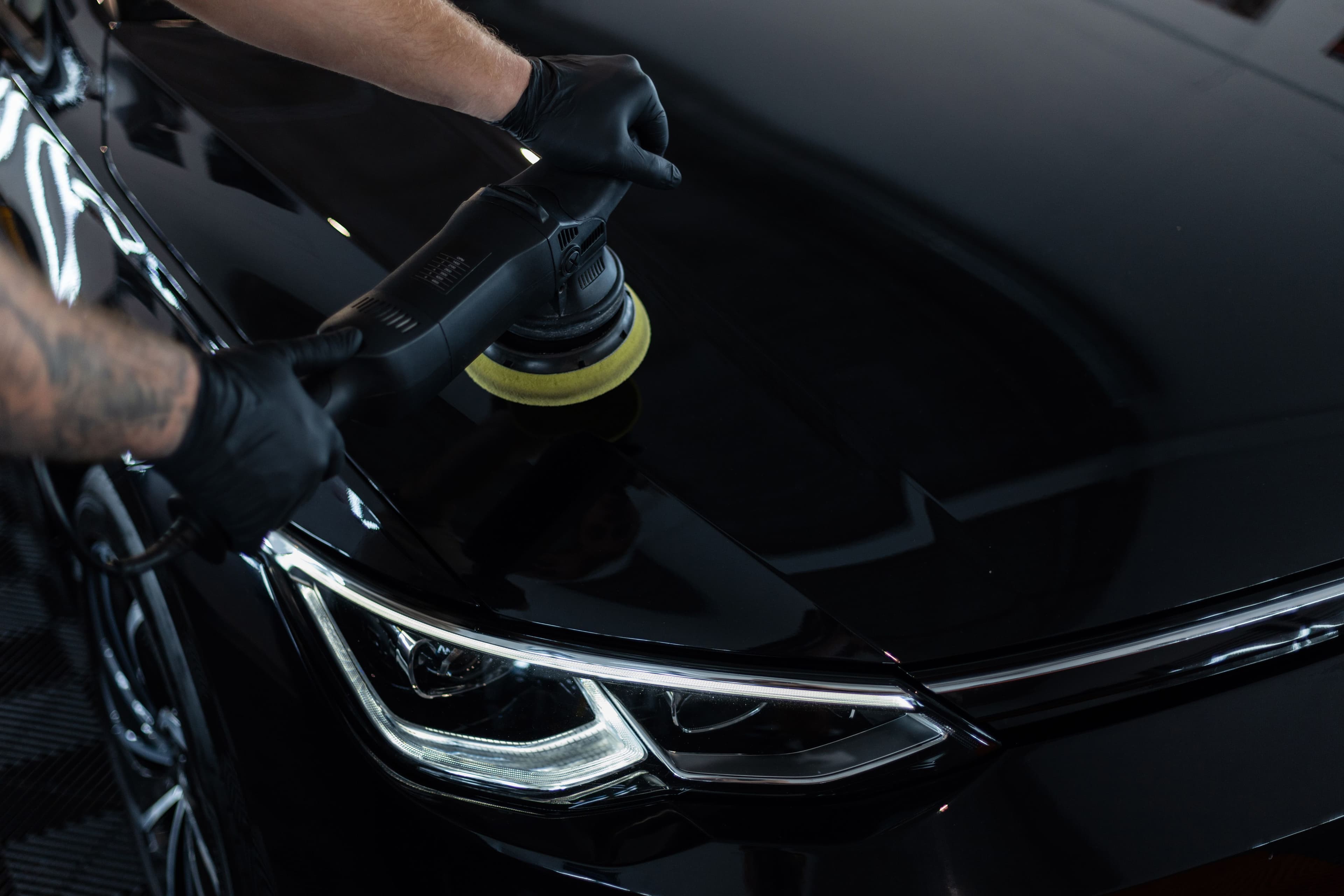
Car polishing in Zürich & Aargau: how the Optimum method makes dust-free paint correction possible
Professional car polishing in Zürich without dust or water connection. Formel7 uses the Optimum system – Hyper Polish, ONR and Car Wax New Ceramic with patented UV protection.
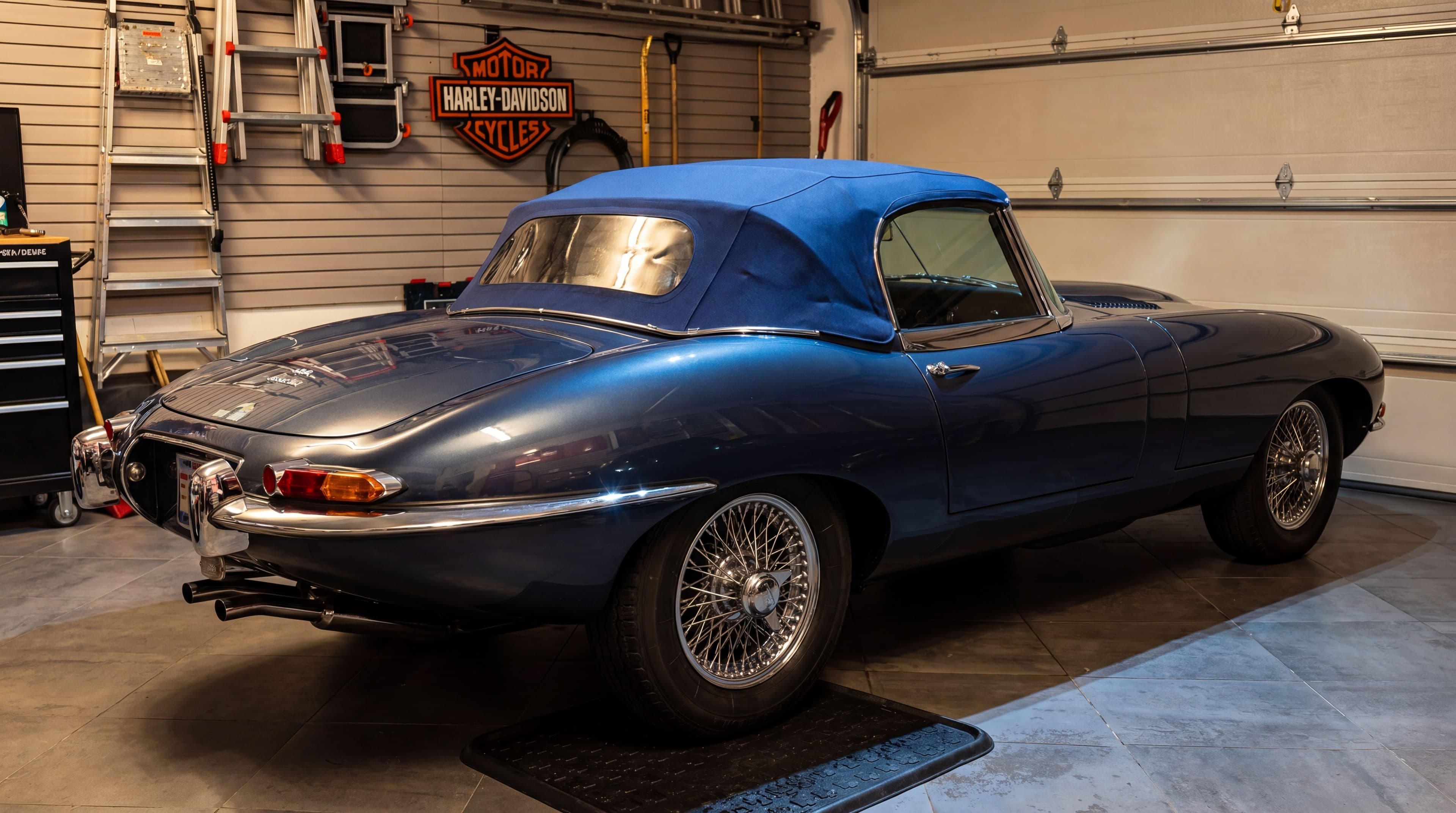
Convertible Roof Care in Zürich: What Your Fabric Top Really Needs
Fabric convertible tops need more than a quick rinse. Learn what damages your roof, how professionals clean and protect it — mobile service in Zürich by Formel7.
Unprotected Paint: Why Your Car Needs Protection — and the 5 Methods That Work
Unprotected car paint fades, scratches and corrodes fast. Learn the 5 best protection methods — from quick detailers to PPF — and keep your car looking new.